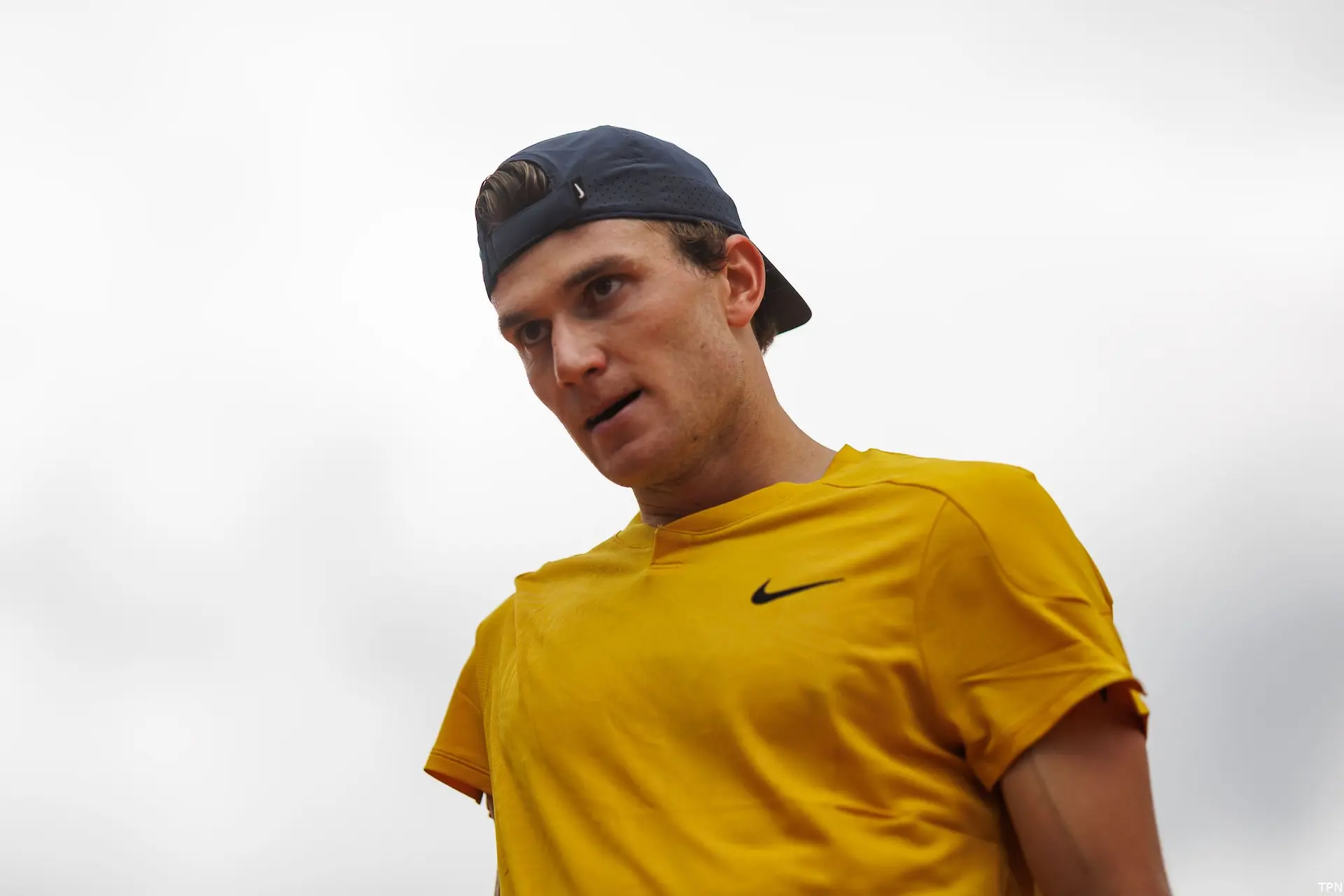

Jack Draper's ability has been shown in the last few seasons, but physical issues could prevent him from reaching his potential.
The Briton enjoyed a career-best 2025 season, winning his maiden ATP Masters 1000 title at the 2025 Indian Wells Open, reaching the 2025 Madrid Open final, and hitting a career-high ranking of No. 4. '
Draper's chances of achieving further success were derailed by an arm injury that ended his season after the opening round of the 2025 US Open. He remains sidelined by that problem. The 23-year-old has also sustained other injuries in the past, and that record could hinder his development.
Carlos Alcaraz and Jannik Sinner's level means Draper must make improvements quickly
Since the start of 2024, Carlos Alcaraz and Jannik Sinner have utterly dominated men's tennis, splitting the eight Grand Slams played in that period and performing at a level far above anyone else.
After winning the 2024 Vienna Open, Draper spoke about wanting to push nearer Alcaraz and Sinner in 2025. He might have felt his work was paying off after overcoming the Spaniard on his way to the title in Indian Wells.
However, Alcaraz was below par in that contest, and his incredible run of nine consecutive ATP finals afterward showed that he has gotten better this season. The 22-year-old recently warned that he will continue to improve.
24-year-old Sinner is also very likely to make enhancements. Since both are already superior to Draper and all their rivals, the need to stay ahead is urgent, and any delay could create an insurmountable gap.
Draper has not hidden that reaching the top and winning Grand Slams is his ambition. That means every part of his game has to get better, something that is impossible if the British No. 1's body consistently fails him.
The physicality of men's tennis will make it impossible for Draper to succeed with consistent issues
In the last 25 years, men's tennis has moved from having a variety of styles, including many pure serve-and-volleyers, to predominantly having matches with two players who hit from the baseline.
That has happened for a few reasons. Firstly, Roger Federer, Rafael Nadal, and Novak Djokovic dominated the ATP Tour for years by largely playing from the baseline. Federer had the most variety, but he still played most of his shots from the back of the court.
That coincided with courts slowing down, facilitating lengthier rallies. Several current players believe the balls used since the COVID-19 pandemic are cheaper and fluff up quicker, making it even harder to hit winners.
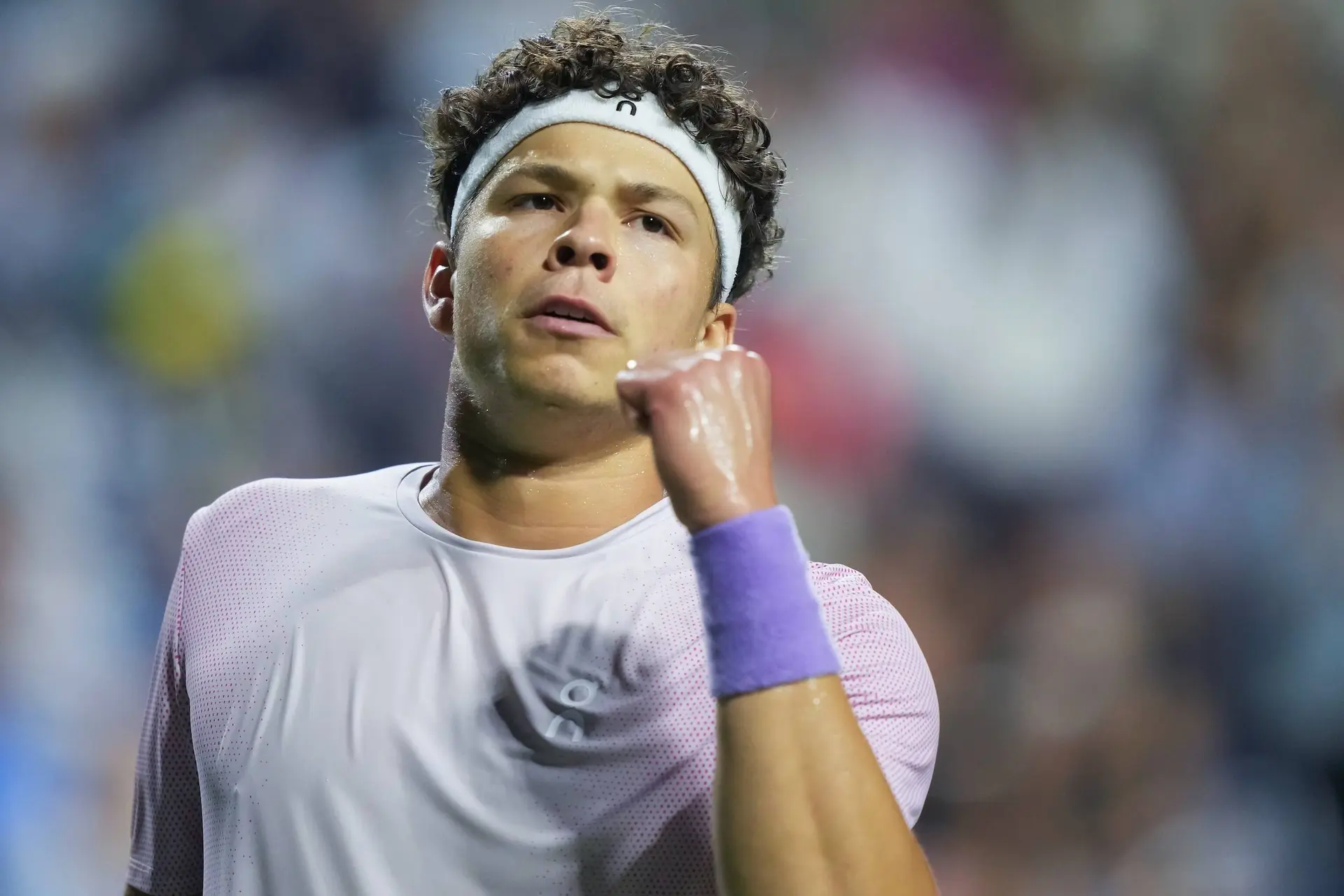
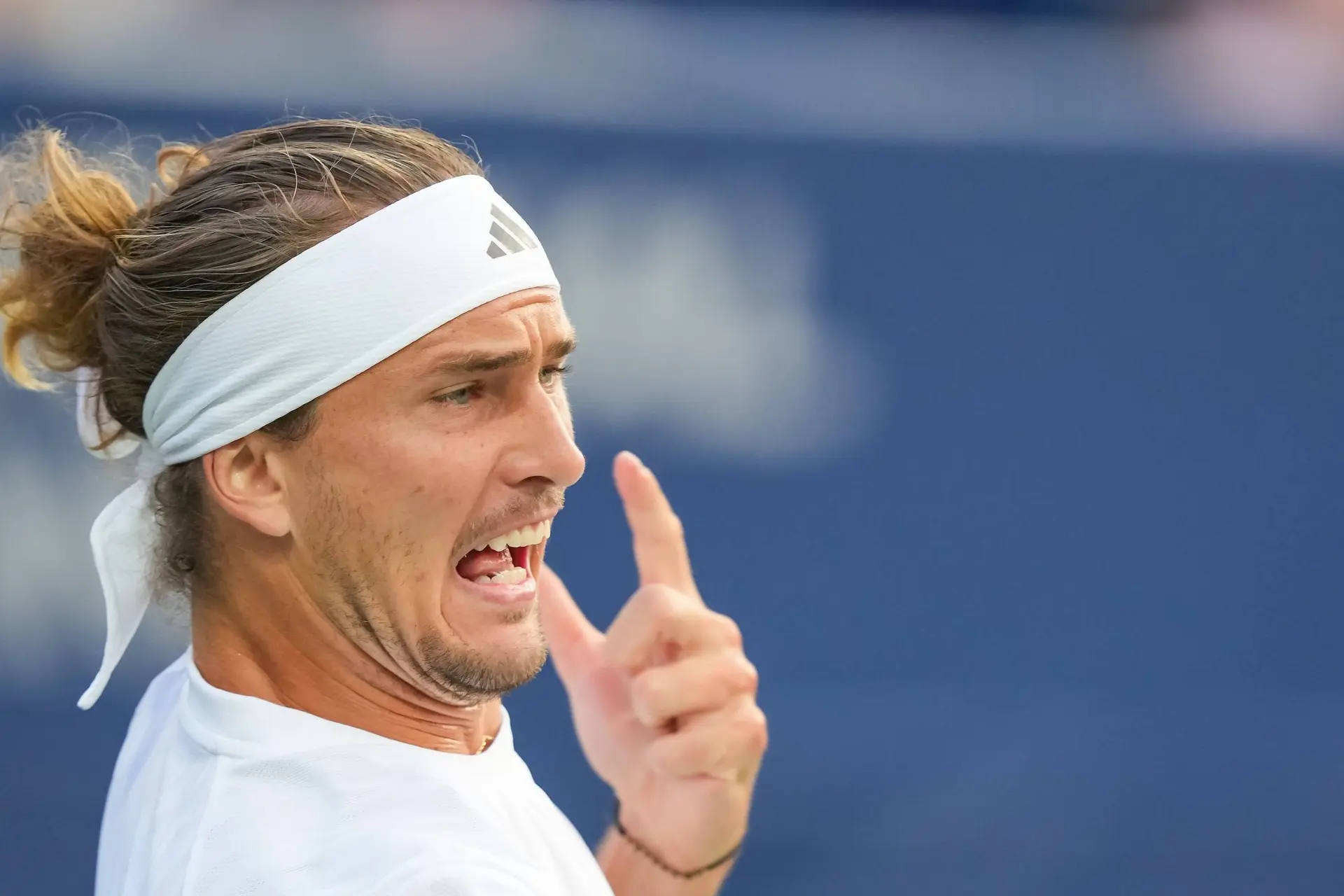
Those factors do not seem like they will change anytime soon, with Alexander Zverev going a step further and controversially claiming that courts are being made slow to suit Alcaraz and Sinner. Lengthy matches and a packed calendar put a strain on players' bodies.
In many ways, tennis could become a survival-of-the-fittest battle. Draper must have concerns that he will not be able to handle that prospect, especially if his troublesome arm becomes a repeated problem.
The young star needs to find a way to be consistently healthy. There is a long list of players whose injury problems began early in their careers and proved impossible to shake. In the current era, that sad possibility is more likely for Draper and others.
Opponents will feel Draper is more beatable with a weak body
Although lengthy rallies are a regular feature of the ATP Tour, most try to hit aggressively and control the rallies. Hitting winners is often not easy, but many make an effort to be dominant and more aggressive.
Counter-punchers who got near the top almost exclusively with footspeed and counterpunching skills, such as current Spanish Davis Cup captain David Ferrer, are becoming increasingly rare. Alex de Minaur is the closest current example, but even he now plays more aggressively.
Read also
Although it is usually not the primary tactic in modern tennis, players are adaptable to certain situations. Those who cannot outhit Draper might sense an opportunity because of his physical struggles.
If Draper continues to have health issues, opponents will likely increasingly focus on extending rallies even more and making matches as lengthy as possible, feeling the injury-prone former world No. 4's body could give out.
That approach would also lead Draper to work even harder to win tournaments, especially Grand Slams, since the men's singles uses a best-of-five set format. Avoiding persistent physical problems is the best way of preventing that.
Popular News
Just In


Loading